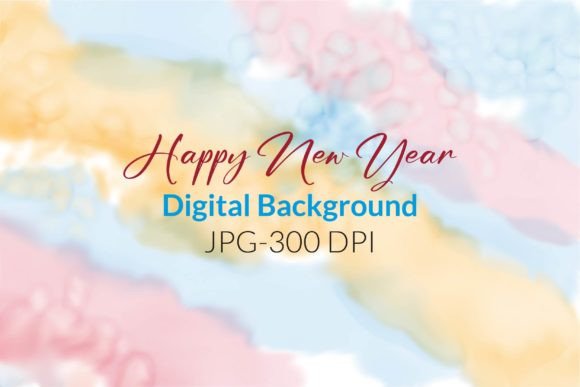
Integrating Watercolor Happy New Year Digital Assets into Your Creative Workflow
In the fast-paced world of digital design and content creation, efficiency often dictates success. Whether you are a small business owner preparing for the holiday marketing rush, a self-publisher finalizing a book cover, or a social media manager planning a quarterly content calendar, the quality of your visual assets matters. However, sourcing high-quality imagery that is both aesthetically pleasing and technically versatile can be a bottleneck. This is where specialized resources like Watercolor Happy New Year Digital backgrounds become essential components of a streamlined creative process.
These assets are not merely decorative images; they are functional tools designed to integrate seamlessly into various professional workflows. By understanding how to leverage these high-resolution files, creators can reduce production time while maintaining a consistent, polished brand identity. The key lies in viewing these digital downloads not as static pictures, but as flexible layers within a broader design ecosystem.
Understanding the Technical Foundation
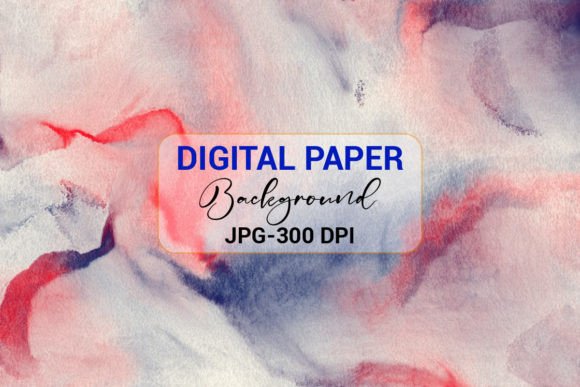
Before integrating any asset into your workflow, it is crucial to understand its technical specifications. The Watercolor Happy New Year Digital package typically includes high-quality JPEG files delivered in a ZIP archive. The most critical specification here is the resolution: 300 DPI (Dots Per Inch).
For professionals, 300 DPI is the industry standard for print-ready materials. Many free or low-cost online images are optimized for web use at 72 DPI, which looks crisp on a screen but becomes pixelated and blurry when printed. By utilizing a 300 DPI file, you ensure that your designs remain sharp whether they are viewed on a mobile device or printed on a large-format poster. This single feature expands the utility of the asset from purely digital applications to physical products, such as greeting cards, merchandise, and published books.
The file format, JPEG, is universally compatible. This means you do not need expensive, specialized software to utilize these backgrounds. They work natively in Microsoft Word, PowerPoint, Canva, Adobe Photoshop, and countless other platforms. This compatibility reduces friction in collaborative environments where team members may be using different tools.
Strategic Implementation Across Platforms
The versatility of watercolor backgrounds allows them to serve multiple functions depending on the stage of your project. Here is how you can integrate these assets into specific workflows:
1. Self-Publishing and Book Design
For authors and publishers using Kindle Direct Publishing (KDP) or similar platforms, cover design is a critical sales driver. A Watercolor Happy New Year Digital background provides an immediate emotional connection, evoking warmth, celebration, and renewal. When designing a book cover for a seasonal anthology, a planner, or a journal, this background serves as the foundational layer. You can overlay typography, author names, and titles with high contrast to ensure readability. Because the file is high-resolution, it meets the strict printing requirements of KDP without requiring additional upscaling or enhancement.
2. Social Media and Content Marketing
Social media managers often face the challenge of creating fresh visuals daily. Using a cohesive set of watercolor backgrounds allows for brand consistency. You can use these images as backdrops for quote graphics, event announcements, or promotional posts. In tools like Canva, you can upload the JPEG and place text boxes, icons, or product photos on top. The organic, fluid nature of watercolor textures adds a human touch to digital content, which can increase engagement rates by making posts feel less corporate and more authentic.
3. Corporate and Educational Presentations
Standard PowerPoint templates can feel sterile. Integrating a subtle watercolor background into your slide deck can soften the visual experience, making data and text more approachable. This is particularly effective for end-of-year reviews, New Year goal-setting workshops, or educational materials aimed at younger audiences. The key is to ensure the text remains legible; using semi-transparent shapes over the watercolor texture can help separate the content from the background while retaining the aesthetic appeal.
4. Print-on-Demand and Merchandise
Entrepreneurs selling mobile covers, stickers, or apparel can use these designs as the primary visual element. Since the files are 300 DPI, they are suitable for direct-to-garment printing or sublimation processes. The abstract nature of watercolor art means it appeals to a broad demographic, reducing the risk of niche-specific design failures. You can crop specific sections of the background to fit different product dimensions, maximizing the value of a single download.
Workflow Optimization and Best Practices
To get the most out of your Watercolor Happy New Year Digital assets, consider adopting the following practical habits:
- Organization: Upon downloading the ZIP file, extract the contents immediately and store them in a dedicated folder within your digital asset library. Tag the files with keywords such as "New Year," "Watercolor," and "Background" to ensure they are easily searchable later.
- Color Harmony: Watercolor designs often feature soft, blended hues. When adding text or other graphic elements, choose colors that complement rather than clash with the background. Use a color picker tool to sample shades directly from the image for a cohesive look.
- Layer Management: If you are using layered design software like Photoshop or Canva, keep the watercolor background on the bottom layer. Lock this layer to prevent accidental movement while you work on text and foreground elements.
- Quality Control: Always preview your final design at 100% zoom before exporting. Check for any pixelation or compression artifacts, especially if you have resized the original image. While 300 DPI is high quality, excessive upscaling can still degrade the image.
Enhancing Efficiency with Compatible Tools
The true power of these digital assets is realized when they interact with other tools in your stack. For instance, if you are a blogger, you can use the JPEG in your website’s header or as a featured image for seasonal posts. If you are an educator, you can incorporate the background into printable worksheets or certificates. The universal nature of the JPEG format ensures that there are no compatibility hurdles, allowing you to move quickly from concept to execution.
Furthermore, these backgrounds can serve as a starting point for further customization. You might choose to add digital brush strokes, overlays, or filters to create a unique variation that aligns perfectly with your brand guidelines. This hybrid approach—using a pre-made base and adding custom elements—strikes a balance between speed and originality.
Long-Term Value and Reusability
While themed around the New Year, the aesthetic principles of watercolor art are timeless. These backgrounds can be repurposed for birthdays, anniversaries, or general celebratory communications throughout the year. By investing in high-quality, versatile assets, you build a resource library that pays dividends over time. Instead of searching for new images for every project, you can rely on a trusted collection that you know meets your technical and aesthetic standards.
In conclusion, Watercolor Happy New Year Digital backgrounds are more than just pretty pictures. They are strategic assets that support efficient, high-quality content creation across multiple platforms. By understanding their technical specifications and integrating them thoughtfully into your workflow, you can enhance your productivity and elevate the visual impact of your projects. Whether you are designing a book cover, crafting a social media post, or preparing a business presentation, these tools provide the foundation you need to succeed.
Thanks for downloading my design. Please visit my profile for more Background designs, KDP interiors, T-shirts, Brushes, and illustrations.